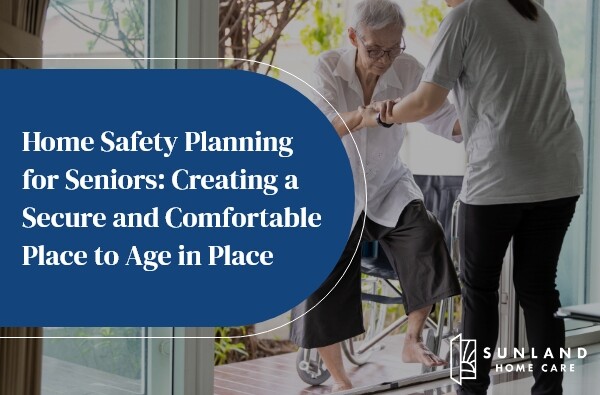
Feeling safe at home is what allows seniors to stay independent, confident, and comfortable in their daily routines. When a home is thoughtfully planned with safety in mind, it supports mobility, reduces stress, and gives both seniors and their families greater peace of mind. Home safety planning isn’t about anticipating problems—it’s about creating an environment that works with changing needs while preserving the familiarity and dignity of aging at home.
By addressing everyday risks, personal security, and simple preparedness measures, families can help ensure their loved one’s home remains a place of stability and reassurance. With the right adjustments and support, seniors can continue living at home knowing their safety, comfort, and well-being are thoughtfully protected.
Focusing on Everyday Home Safety
Most home safety concerns stem from common daily activities. Slips, trips, and falls are among the leading causes of injury for seniors, which is why small adjustments can make such a meaningful difference.
Key areas to address include:
- Clear walkways: Removing loose rugs, clutter, or electrical cords that could cause tripping.
- Adequate lighting: Making sure hallways, stairways, bathrooms, and entrances are well lit, especially during evening and nighttime hours.
- Bathroom safety: Installing grab bars near toilets and in showers, using non-slip mats, and considering a shower chair if balance becomes a concern.
- Stair support: Adding sturdy handrails and clearly marking steps to improve stability.
These updates don’t change the look or feel of a home, but they can significantly reduce risk and help seniors move through their space with confidence.
Supporting Safe Mobility and Daily Routines
As mobility changes over time, the home should adapt to support it. Safety planning includes evaluating how easily seniors can move from room to room and complete everyday tasks without strain.
Helpful adjustments may include:
- Storing frequently used items within easy reach
- Choosing chairs with arms to assist with standing and sitting
- Allowing space for walkers or mobility aids
- Adding seating in areas where standing for long periods can be tiring, such as the kitchen
These thoughtful changes promote independence while quietly offering support when it’s needed.
Emergency Preparedness Without Stress
Emergency planning doesn’t need to feel overwhelming. A calm, proactive approach helps seniors and families feel prepared without focusing on worst-case scenarios.
Simple steps include:
- Keeping emergency contact numbers clearly visible
- Using a medical alert system if appropriate
- Ensuring smoke detectors and carbon monoxide alarms are working properly
- Having a plan in place for power outages or extreme weather
When these measures are addressed ahead of time, they tend to fade into the background—ready if needed, but not a source of worry.
Personal Security: Awareness, Not Fear
Personal security is another important element of home safety planning. Seniors may sometimes be targeted simply because they are perceived as living alone or being more trusting. Addressing this doesn’t require fear-based thinking, just thoughtful awareness.
Practical, non-alarmist steps include:
- Making sure doors and windows have reliable locks and are used consistently
- Installing outdoor lighting near entrances for better visibility
- Encouraging seniors not to open the door for unexpected visitors
- Using “No Soliciting” signage to reduce unwanted interruptions
- Establishing regular check-ins with a trusted family member or caregiver
Having a consistent presence—whether from loved ones, neighbors, or professional caregivers—adds reassurance and naturally reduces vulnerability.
Building a Trusted Circle of Neighbors and Friends
Creating a sense of community with neighbors and friends is one of the most effective—and often overlooked—ways to support home safety for seniors. When people nearby know one another, it becomes easier to notice when something seems off, whether it’s uncollected mail, an unopened blind, or a missed daily routine. Friendly check-ins, casual conversations, and shared awareness help seniors feel connected rather than isolated, while giving families peace of mind knowing someone close by is looking out for them. This kind of community doesn’t have to be formal; even a few trusted neighbors or friends who are willing to keep an eye out can make a meaningful difference in helping seniors feel safe and supported at home.
Add an Alarm System or Cameras for Extra Peace of Mind
For many families, a home alarm system with cameras can be a helpful addition to an overall safety plan. These systems aren’t about expecting danger; they’re about adding another quiet layer of protection and reassurance.
Modern alarm systems can include door and window sensors, motion detection, and cameras positioned at key entry points such as front doors, back doors, or garages. If a breach occurs, the system can send emergency alerts to designated family members or a monitoring service, allowing for quick awareness and response without disrupting daily life.
One feature that’s especially important is camera backup recording. Paying for cloud-based or off-site recording ensures that footage is securely stored even if equipment is damaged or power is interrupted. This can be particularly valuable for families who live out of town and want the ability to review activity, confirm what happened during an alert, or simply check in visually for reassurance.
When paired with good lighting, clear routines, and regular human interaction, an alarm system with recorded camera backup becomes a supportive tool—not an intrusive one.
Use Technology to Support Safety and Independence
Technology can play a supportive role in home safety planning when it’s used thoughtfully and with purpose. Rather than replacing human connection, the right tools help seniors maintain independence while offering families reassurance that support is available if it’s ever needed.
Simple technologies such as medical alert systems allow seniors to quickly call for help in the event of a fall or health concern. Smart lighting, automated thermostats, and voice-activated assistants can also reduce physical strain by minimizing the need to navigate dark spaces, adjust controls manually, or move unnecessarily around the home.
Home monitoring tools, such as door sensors or video doorbells, add another layer of awareness without being intrusive. When paired with secure cloud-based backup recording, these systems allow families—especially those living at a distance—to check in when needed and confirm activity without constant disruption. Used together, technology and thoughtful home design create an environment that supports safety, comfort, and peace of mind while allowing seniors to continue living life on their own terms.
How In-Home Care Supports Home Safety
Professional in-home care can play a key role in maintaining a safe home environment. Trained caregivers are often the first to notice subtle changes, such as increased unsteadiness, confusion, or habits that could create new risks.
In-home caregivers can:
- Help reinforce safe daily routines
- Assist with securing doors and monitoring the home
- Provide companionship that reduces isolation
- Offer support during evening or overnight hours
- Communicate concerns to families before small issues become larger problems
This added layer of support allows seniors to remain independent while ensuring they’re never truly alone.
A Plan That Grows With Changing Needs
Home safety planning is not a one-time task. As needs evolve, the plan should evolve too. Regular check-ins with family members or trusted care professionals allow adjustments to be made gradually and thoughtfully.
The goal isn’t to limit independence—it’s to protect it.
In-Home Care Can Help Support Independence and Safety
A safe home is one that supports comfort, dignity, and confidence. With a few intentional updates, thoughtful use of technology, and the right support system, seniors can continue to enjoy the place they love most while families feel reassured their loved one is well cared for.
If you’re considering ways to improve home safety or wondering whether in-home care could help support your loved one’s independence, Sunland Home Care is here to help. Schedule a care planning call and talk through options designed to fit your family’s needs and priorities.
Frequently Asked Questions About Home Safety Planning for Seniors
How can I make my elderly parent’s home safer?
Start by removing tripping hazards like loose rugs and clutter, improving lighting throughout the home, installing grab bars in bathrooms, and making sure frequently used items are easy to reach. Small changes can significantly reduce the risk of falls and help seniors remain independent at home.
What are the biggest home safety risks for seniors?
Falls are the leading home safety concern for older adults. Other common risks include poor lighting, slippery bathrooms, cluttered walkways, medication errors, fire hazards, and difficulty getting help during an emergency. A home safety assessment can identify potential hazards before they become serious problems.
How often should a senior home’s safety be reassessed?
A home’s safety should be reviewed whenever a senior experiences changes in mobility, vision, memory, or overall health. Even without major changes, families should perform a safety check at least once a year to ensure the home continues to meet their loved one’s needs.
What home modifications help seniors age in place?
Helpful modifications include grab bars, non-slip flooring, improved lighting, handrails on stairs, raised toilet seats, walk-in showers, smart home technology, and wider pathways for walkers or wheelchairs. The right updates depend on the individual’s mobility and health needs.
Can in-home caregivers help improve home safety?
Yes. Professional caregivers do much more than provide personal care. They can identify new safety concerns, help prevent falls, assist with mobility, reinforce safe daily routines, monitor for changes in health, and notify families before small issues become larger problems.
Should seniors have medical alert systems or security cameras?
Many families find that medical alert systems, video doorbells, and home security cameras provide additional peace of mind. These tools allow seniors to quickly call for help if needed while helping family members stay connected and aware of activity at the home without being intrusive.
How can families help seniors stay safe if they live far away?
Long-distance caregivers can improve safety by scheduling regular check-ins, arranging professional in-home care, using video doorbells or smart home technology, creating emergency plans, and staying connected with trusted neighbors who can assist if needed.
When should I consider in-home care for a senior living alone?
If your loved one has experienced a fall, is becoming forgetful, struggles with daily activities, or you worry about their safety when they’re alone, it may be time to consider in-home care. Caregivers provide companionship, supervision, assistance with daily tasks, and peace of mind while helping seniors remain safely in their own homes