When caring for individuals with Alzheimer’s or dementia, consistency plays a crucial role in ensuring their well-being and quality of life. Having a regular caregiver offers numerous benefits that extend beyond basic care, fostering familiarity, trust, and stability. Here’s a look at the unique role a consistent caregiver plays in Alzheimer’s and dementia in-home care.
1. Building Trust and Security
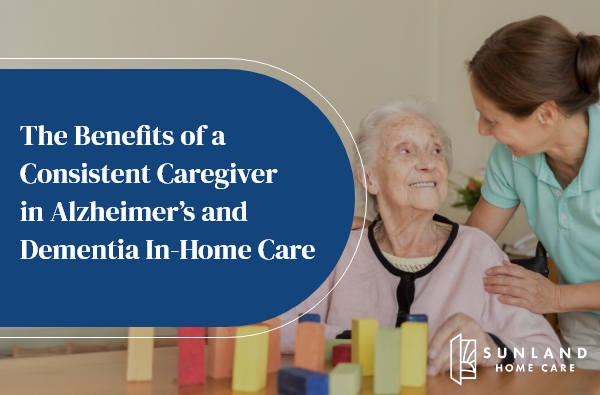
For individuals with Alzheimer’s or dementia, establishing a sense of security is essential to their emotional and mental health. Having the same caregiver over time allows them to form a bond based on familiarity and trust, reducing feelings of anxiety or confusion. With a consistent caregiver, they feel more comfortable, knowing they are in capable, familiar hands, which can help minimize distress during care routines.
2. Recognizing Subtle Changes
Caregivers who work consistently with the same client develop a deep understanding of their personality, habits, and health status. They are more likely to notice small changes in mood, behavior, or physical health that might indicate an emerging issue. This early detection enables families and healthcare providers to address problems proactively, potentially reducing health complications and hospital visits.
3. Stability in Routine
Alzheimer’s and dementia patients often benefit from routines that provide a sense of predictability and structure. A consistent caregiver helps maintain this stability by following regular schedules for activities, meals, and medications. These routines can help patients feel grounded, while also making daily life smoother and more manageable for everyone involved.
4. Personalized and Responsive Care
With a consistent caregiver, care becomes tailored to the client’s unique needs and preferences. Over time, the caregiver learns effective ways to communicate, comfort, and engage with the individual, creating a personalized approach to care. This familiarity enables the caregiver to respond effectively during moments of confusion or agitation, helping to keep the patient calm and reassured.
5. Improved Communication with Family
A consistent caregiver becomes an important partner in the care journey, often serving as a reliable source of information for family members. By working closely with the family, a dedicated caregiver provides insights and updates that help everyone stay informed and involved. This open communication also creates a supportive environment for both the family and the patient, offering peace of mind.
6. Enhanced Cognitive Engagement
A caregiver who is attuned to the patient’s likes, interests, and cognitive abilities can introduce activities that stimulate memory and engagement. From reminiscing about favorite topics to incorporating memory exercises into daily routines, a consistent caregiver helps create enriching interactions that may slow cognitive decline and foster joy.
Why Consistency Matters in Alzheimer’s and Dementia In-Home Care
Alzheimer’s and dementia present unique challenges that often require more than just medical assistance. The benefits of a consistent caregiver go beyond physical support, fostering an environment where patients feel safe, valued, and understood. This relationship is essential for their mental and emotional well-being, helping to mitigate the disorienting effects of memory loss.
Choose Sunland Home Care for Compassionate, Consistent Alzheimer’s and Dementia Support
At Sunland Home Care, we understand the value of consistent, compassionate caregiving for Alzheimer’s and dementia patients. Our caregivers are dedicated to building trusting relationships with clients, creating a stable, supportive environment that honors each individual’s needs. If you’re exploring in-home care options for your loved one, contact us today to learn how a consistent caregiver can make a positive difference in their life.
Frequently Asked Questions
Why is a consistent caregiver important for someone with Alzheimer’s or dementia?
A consistent caregiver helps create a familiar routine, which can reduce anxiety and confusion for individuals living with Alzheimer’s or dementia. Building trust with the same caregiver also makes it easier to recognize changes in behavior, preferences, and daily needs over time.
How does caregiver consistency benefit families?
Families gain peace of mind knowing their loved one is cared for by someone who understands their routines, communication style, and unique challenges. Consistent caregivers also provide regular updates and can identify subtle changes that families may not notice right away.
Can a familiar caregiver reduce confusion in people with dementia?
Yes. Familiar faces, predictable routines, and consistent interactions can help many people living with dementia feel more secure and comfortable. While every individual is different, consistency often makes daily care less stressful and more reassuring.
What services does a dementia caregiver provide at home?
Alzheimer’s and dementia caregivers assist with personal care, meal preparation, medication reminders, companionship, mobility support, light housekeeping, safety supervision, meaningful activities, and other daily tasks tailored to each client’s needs.
Why are routines important for people living with Alzheimer’s disease?
Daily routines help reduce uncertainty and create a sense of stability. Consistent schedules for meals, personal care, activities, and bedtime can make each day more predictable and may help minimize frustration or confusion.
Can in-home Alzheimer’s care be customized as the disease progresses?
Yes. As Alzheimer’s or dementia advances, care plans can be adjusted to provide additional assistance, supervision, personal care, and specialized support based on changing needs while helping clients remain safely at home whenever possible.
When should families consider Alzheimer’s or dementia home care?
Families should consider professional home care when memory loss begins affecting safety, daily routines, medication management, personal care, or when family caregivers become overwhelmed. Starting care early often allows individuals to build a trusting relationship with their caregiver.
How do I get started with Alzheimer’s and dementia home care?
Sunland Home Care offers care planning calls to learn about your loved one’s needs, answer your questions, and develop a personalized Alzheimer’s or dementia care plan. We carefully match clients with compassionate caregivers to promote consistency, comfort, and quality of life.