As we age, independence often looks a little different than it once did. Driving less, spending more time at home, or losing a spouse or longtime friends can quietly shrink a senior’s day-to-day world. That’s why community becomes so important later in life. Not just social interaction, but meaningful connection—the kind where people know your name, notice when something feels off, and genuinely care about your well-being.
For seniors, community isn’t just about staying busy. It’s about staying connected, feeling safe, and knowing someone is looking out for you. And in many cases, seniors are doing the same for each other.
Why Community Matters More as We Age
Community plays a powerful role in emotional, mental, and even physical health. Studies consistently show that seniors who stay socially connected experience lower rates of depression, anxiety, and cognitive decline. But beyond the research, the real impact shows up in everyday moments.
- A neighbor who checks in when the lights haven’t come on by evening.
- A friend who notices a missed weekly card game.
- A fellow church member reaching out when realizing your missed your usual service.
- A walking buddy who asks questions when routines change.
These small interactions create a safety net. They provide reassurance, routine, and a sense of belonging—three things that become especially important as life changes.
Without community, isolation can sneak in. And isolation doesn’t always look dramatic. Sometimes it looks like eating meals alone, skipping appointments because no one is available to drive, or not mentioning a fall because “it didn’t seem like a big deal.” Over time, those moments add up.
How Seniors Naturally Look Out for One Another
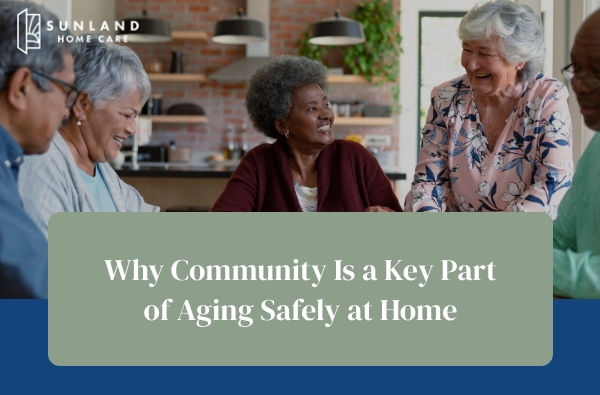
One of the most overlooked aspects of senior communities is how much seniors care for each other. Whether they live in the same neighborhood, attend the same church, or meet regularly for coffee, seniors often form quiet systems of mutual support.
- They notice patterns.
- They remember routines.
- They speak up when something feels different.
A friend might call after a missed phone check-in. A neighbor might bring over groceries when someone isn’t feeling well. In senior communities, this type of informal caregiving happens every day.
These connections provide dignity. Instead of feeling monitored, seniors feel seen. Instead of feeling dependent, they feel valued.
But even the strongest informal communities have limits.
When Community Support Isn’t Enough on Its Own
As helpful as neighbors and friends can be, there are times when additional support becomes necessary. Health conditions progress. Mobility changes. Memory issues appear. Family members may live out of town or juggle demanding careers.
This is often where adult children step in and start asking important questions:
- Is someone checking in regularly?
- What happens if there’s an emergency?
- Who is making sure daily needs are actually being met?
Community can catch concerns early—but it can’t replace professional care when hands-on support is needed. That’s where in-home care becomes a powerful extension of a senior’s existing community, not a replacement for it.
In-Home Care as a Bridge to Stronger Community
Quality in-home care supports seniors in staying connected to the people and routines that matter most. Rather than removing someone from their environment, it helps them continue living safely and comfortably within it.
Caregivers often become trusted companions—another familiar face who notices changes, encourages engagement, and supports independence. They help seniors get to social activities, attend appointments, or simply feel confident leaving the house again.
Importantly, professional caregivers also communicate with families. They provide reassurance to adult children who want to know their parent isn’t alone and that someone is paying attention day after day.
This combination—community plus professional care—creates stability. Seniors maintain autonomy while gaining reliable support. Families gain peace of mind without disrupting their loved one’s life.
Community Is About Feeling Known
At its core, community is about being known. Being missed when you don’t show up. Being listened to when you speak. Being cared for without feeling like a burden.
Seniors thrive when they feel connected—not just socially, but emotionally. They want relationships that recognize their history, their preferences, and their routines. That’s why personalized care matters so much. One-size-fits-all solutions rarely work when what people really need is human connection.
Strong community doesn’t just improve quality of life—it protects it.
Supporting Your Loved One’s Community Starts With a Conversation
If you’re noticing signs that your parent or loved one may be becoming more isolated, it’s worth starting a conversation. Ask about their routines. Who they see regularly. Whether they feel supported day to day.
Sometimes the right next step isn’t a big change—it’s adding the right support at the right time.
Professional in-home care can help seniors stay connected, safe, and engaged while continuing to live the life they know. It can also give families confidence that someone is looking out for their loved one when they can’t be there themselves.
Ready to Talk About Home Care Support Options?
If you’re concerned about an aging parent or want to explore how in-home care can support their independence and sense of community, Sunland Home Care is here to help. Our team is happy to answer questions, talk through your situation, and help you understand what options make sense.
Call us today or schedule a consultation call to have a conversation about your loved one’s needs and how we can support them—at home, in their community, and with dignity.
📞 Schedule a Consultation or call now to get started: 480-447-8893. Same-Day or Next-Day Assessments Available